

Growing Up Between Two Worlds: The Hidden Struggles of Immigrant Families
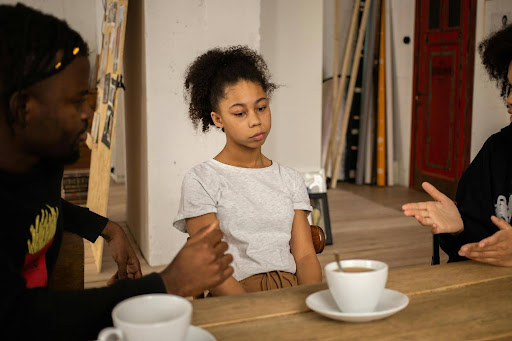
Growing Up Between From the outside, everything looks normal. A child goes to school, comes home, sits with family, maybe laughs, maybe stays quiet. But inside, many children of immigrant families are living a life that is emotionally divided. They are learning how to be two different people—one at home and another outside. Over time, this silent adjustment becomes exhausting.
Children in immigrant families are not just growing up. They are translating, adapting, adjusting, and carrying emotional responsibilities that they never chose. This blog explores why these struggles happen and, more importantly, what families can realistically do to fix them.

The Pressure Children Carry Without Words
Immigrant parents often move to a new country with sacrifice and hope. They want a better future for their children. However, these hopes quietly turn into expectations. Children begin to feel that they must succeed—not just for themselves, but for their entire family.
They feel pressure to do well in school, behave perfectly, and follow cultural values at home. At the same time, they are trying to fit into a new environment outside. This creates a constant emotional tension (Suárez-Orozco et al., 2010).
The Growing Gap Between Parents and Children
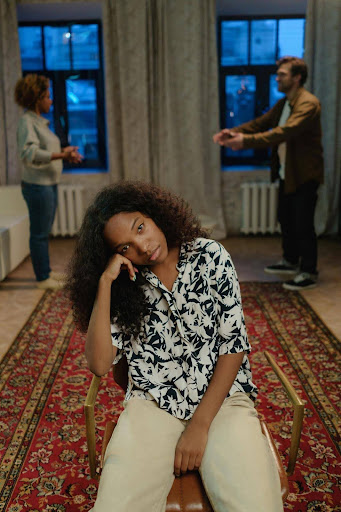
One of the most painful challenges in immigrant families is the growing gap between parents and children. Parents often hold tightly to their original culture, while children are influenced by the culture around them. This difference creates misunderstanding.
Parents may think their children are forgetting their roots, while children feel that their parents do not understand their reality. This gap can lead to conflict, frustration, and emotional distance (Portes & Rumbaut, 2001).
Emotional Impact on Children
Children in these situations often do not express their emotions openly. They may feel confused about their identity, guilty for not meeting expectations, and lonely even in their own homes. Over time, this emotional burden can affect their mental well-being.
Research shows that cultural conflict within families can lead to stress and anxiety in children (Costigan & Dokis, 2006). Many children simply stop sharing their feelings because they believe they will not be understood.
Emotional Impact on Children
Children in these situations often do not express their emotions openly. They may feel confused about their identity, guilty for not meeting expectations, and lonely even in their own homes. Over time, this emotional burden can affect their mental well-being.
Research shows that cultural conflict within families can lead to stress and anxiety in children (Costigan & Dokis, 2006). Many children simply stop sharing their feelings because they believe they will not be understood.

Practical Strategies That Actually Help
Solving these challenges requires effort from both parents and children. It is not about choosing one culture over another, but about building understanding.
First, families need to create space for honest conversations. Parents should focus on listening instead of only giving instructions. When children feel heard, they are more likely to open up.
Second, families can build a shared culture at home. This means accepting both traditions and allowing flexibility. Children should not feel forced to choose between identities.
Third, emotional support should come before perfection. Parents can help their children by showing understanding, accepting mistakes, and focusing on connection rather than control.
Finally, both parents and children should try to learn from each other. This shared effort builds respect and reduces conflict.
Conclusion
Growing up between two cultures is not easy, but it does not have to be painful. With understanding, communication, and emotional support, families can turn this challenge into strength.
Children do not need perfect parents. They need parents who listen. And parents do not need perfect children. They need children who feel safe enough to be honest.
When both sides try, the distance between them slowly disappears.
References
Costigan, C. L., & Dokis, D. P. (2006). Relations between parent–child acculturation differences and adjustment within immigrant families.
Portes, A., & Rumbaut, R. G. (2001). Legacies: The story of the immigrant second generation.
Suárez-Orozco, C., Todorova, I., & Louie, J. (2010). Making up for lost time: The experience of separation and reunification among immigrant families.


Comment (1)
The Invisible Scars of War What Today’s Middle East
says March 29, 2026 at 3:15 am[…] Today, we understand these invisible wounds better. They are often diagnosed as Post-Traumatic Stress Disorder (PTSD). […]